Case study: IT management, 2025 to now
Elements Hospitality: one person for all of the IT
I run everything technical for Elements Hospitality: the laptops, the email, the Microsoft business tools, the office network, the backups, the accounts, and the websites, which I also build and maintain. This is what "build and run" looks like when it is the same person doing both.
- Client
- Elements Hospitality
- Role
- IT manager, 2025 to now
- Covers
- Laptops, email, Microsoft tools, network, backups, accounts, websites
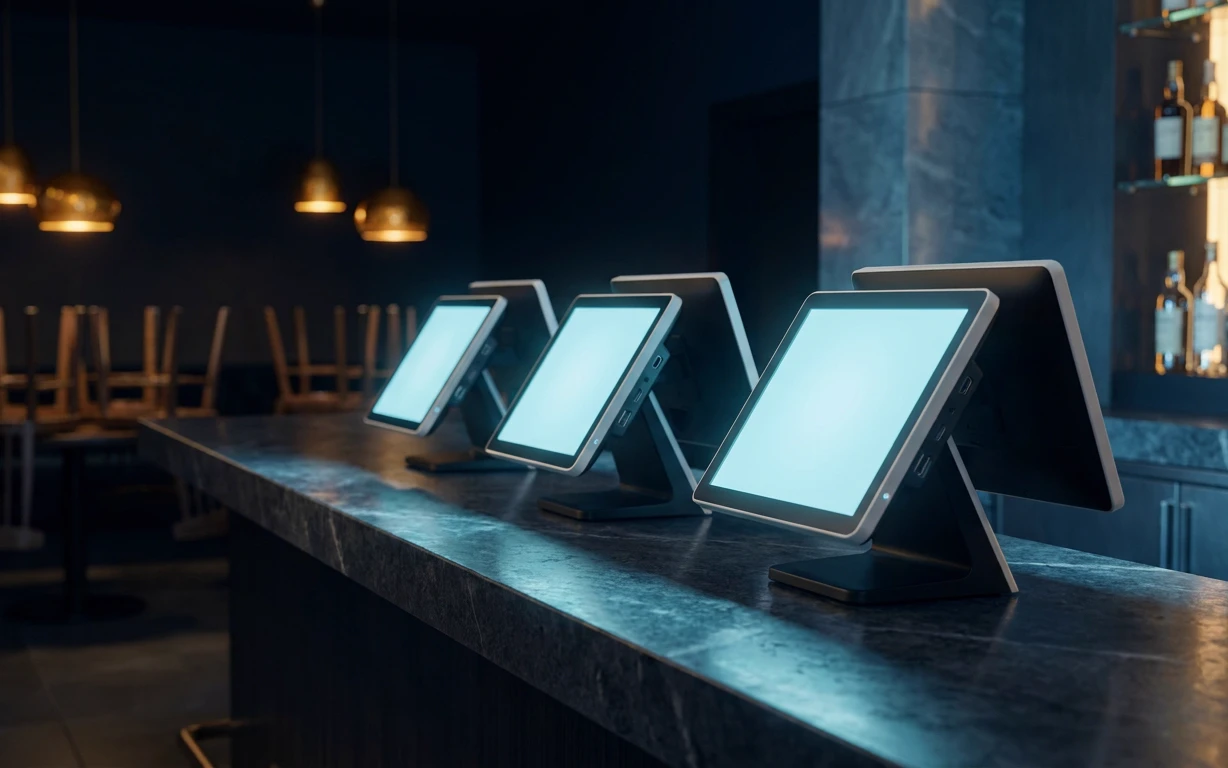
The day three POS terminals went down
All three point-of-sale terminals went down at once: locked out, full of bugs, and with the subscription lapsed. A hospitality business with no tills is not slowed down, it is stopped.
I recovered access, fixed the faults, renewed what had lapsed, and had all three back in service in four days. They have stayed up ever since.
Most of that work was not technical. It was finding out who held which account, and what had been signed up to by whom. That is the part nobody documents until the day it matters.
What I look after
- Laptops: fixing what is broken, and replacing software that did not suit the team with software that does.
- Email and accounts: who can reach what, and recovering access when it is lost.
- Microsoft business tools across the team.
- The office network, so the place stays connected.
- Backups, so nothing important exists in only one place.
- The websites, which I built and still maintain.
The website, and what it is built with
| Part | Built with |
|---|---|
| Website | React 19 with React Router, pages loaded only when they are opened. Plain CSS with design tokens, no framework and no UI library. |
| Found by search | A title and description written per page rather than one for the whole site. |
| Contact form | Sent straight to a form service, with the message cleaned before it is sent. No server to maintain and nothing to be hacked. |
| Build | Vite, with the code split so a visitor downloads the page they asked for and little else. |
| Tests | Vitest with Testing Library, including property-based tests that throw hundreds of generated inputs at the code rather than a handful a person thought of. |
| Images | Optimised by a script before release, so the pages stay light. |
There is no server behind the site and no database, because it does not need either. Fewer moving parts means fewer things to break, and nothing to patch on a Sunday.
Why one person for the IT and the website
The website, the email and the domain are tied together, and so are the laptops and the accounts that open them. When a different person holds each one, every problem starts with deciding whose job it is. When one person holds all of it, the answer is always the same person, and every account stays documented and registered in the company's name.